The Real Story Behind Farm Stand Prices
If you've ever strolled through a local farm stand and wondered why a basket of heirloom tomatoes costs more than the ones at your grocery store, you're not alone. Understanding how farm stand vendors set their prices can completely change the way you shop — and help you appreciate the true value of what you're buying.
Unlike big-box retailers who benefit from bulk purchasing and industrial supply chains, small-scale farmers and farm stand vendors operate in a fundamentally different economic reality. Their pricing reflects not just the cost of a product, but the full story of how that product came to exist.
What Goes Into the Cost of a Farm Stand Product
Labor: The Biggest Factor
At the heart of almost every farm stand price is labor cost. Growing food is intensely hands-on work. Planting, weeding, watering, harvesting, washing, sorting, and transporting — all of it takes time, and that time has real value. When a vendor prices a bunch of fresh basil at $3.50, they're accounting for the hours of care that went into those fragrant leaves, often without the help of automated equipment.
Input Costs and Production Expenses
Seeds, soil amendments, compost, pest management, irrigation supplies, and packaging all add up quickly. Organic and regenerative farmers often pay premium prices for certified inputs, which naturally affects what you see on a price tag at the farm stand. Fuel, equipment maintenance, and market booth fees are additional costs that vendors must factor in before they can turn a profit.
Seasonality and Crop Risk
Farming is inherently unpredictable. A late frost, a pest outbreak, or weeks of drought can dramatically reduce a harvest. Farm stand vendors build a degree of risk buffer into their pricing because a bad season doesn't come with a salary guarantee. When you pay a fair price at a local farm stand, you're helping a farmer weather those inevitable setbacks.
How Farm Stand Vendors Determine the Final Number
Market Research and Competitive Awareness
Most farm stand vendors do pay attention to what others are charging — both at neighboring stands and at local grocery stores. However, they're not simply trying to undercut the competition. Instead, they're finding a price that communicates the value of their product while remaining accessible to their customers. Fresh-picked sweet corn hours off the stalk simply isn't the same product as something that traveled 1,500 miles in a refrigerated truck.
Perceived Value and Product Differentiation
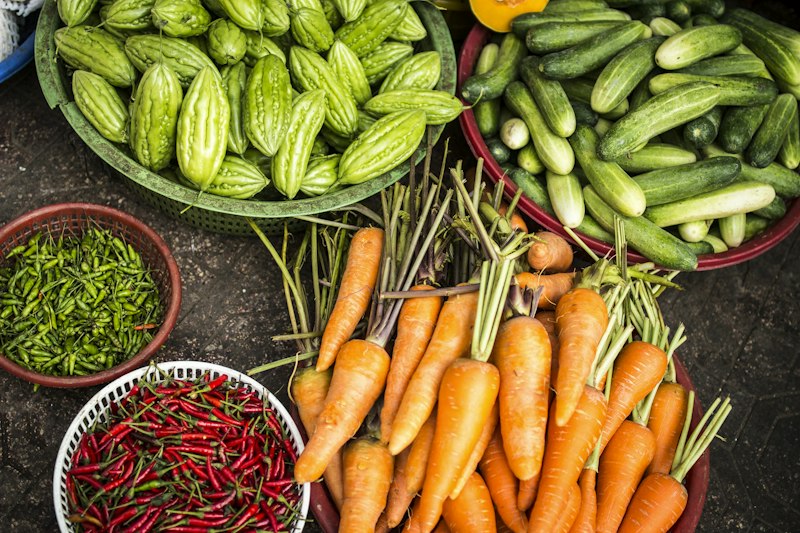
Specialty and heirloom varieties often command higher prices because they offer something genuinely different: unusual flavor profiles, unique textures, or cultural significance. A vendor selling Purple Cherokee tomatoes or Dragon Tongue beans isn't just selling vegetables — they're offering an experience you can't replicate with a standard supermarket purchase. That differentiation is intentional and reflected in pricing.
Direct-to-Consumer Advantages (and Challenges)
One of the appealing aspects of buying from a farm stand is that you're often purchasing directly from the grower, cutting out distributors, wholesalers, and retailers. In theory, this should mean lower prices — and sometimes it does. But it also means the farmer is absorbing costs that would otherwise be spread across a supply chain. They're doing the growing and the selling, which is twice the work.
What This Means for You as a Shopper
You're Voting With Your Wallet
Every dollar spent at a local farm stand is a direct investment in your regional food system. Fair pricing supports fair wages, healthy land stewardship, and the survival of small farms that might otherwise be pushed out by industrial agriculture. When you pay a little more for locally grown garlic or pastured eggs, the impact is immediate and tangible.
How to Get the Most Value at a Farm Stand
Ask Questions and Start a Conversation
Farm stand shopping is one of the few places where you can ask the person who grew your food exactly how it was raised. Don't be shy about asking about growing practices, favorite recipes, or what's coming into season next week. Vendors love customers who are genuinely curious, and that connection makes the whole experience richer for everyone.
Find a Farm Stand Near You
Understanding the pricing behind your local farm stand makes every visit more meaningful — and every purchase more satisfying. Ready to start shopping smarter and supporting the farmers in your community? Use Farm Stand Finder to discover local farm stands, farmers markets, and roadside vendors near you. Fresh food, fair prices, and real connections are closer than you think.