Farm Stand vs. Farmers Market: What's the Difference?
Kandi•5 min read•February 13, 2026
Farm Stand vs. Farmers Market: What's the Difference?
Both farm stands and farmers markets offer access to fresh, local food — but the experience, variety, and logistics are quite different. Here's a complete comparison to help you decide which best fits your shopping needs.
What Is a Farm Stand?
A farm stand is a direct-sales operation located at or near an individual farm. It typically sells the produce, products, and sometimes specialty items from that one farm operation. Farm stands may be open daily, on weekdays, weekends only, or on a flexible schedule. Some operate year-round; most are seasonal.
What Is a Farmers Market?
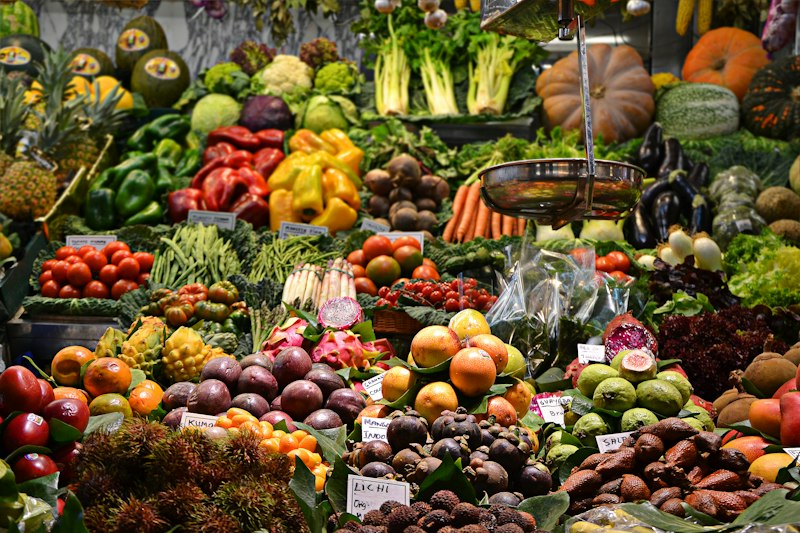
A farmers market is a scheduled, recurring event — often weekly — where multiple vendors gather in a central location (a parking lot, town square, or park) to sell their products directly to the public. A single market might include 10–100+ vendors.
Key Differences
Location
Farm stand: At or near the farm. You drive to the source.
Farmers market: Central community location. Multiple farms come to you.
Variety
Farm stand: One farm's offerings. Deep in what that farm grows; limited by their crops and season.
Farmers market: Multiple farms and vendors. Greater variety of produce, plus bakeries, cheese, meat, prepared foods, flowers, and crafts.
Freshness
Farm stand: Often the freshest possible — harvested that morning, sometimes while you're there.
Farmers market: Also very fresh, but vendors have traveled to market, so some items were harvested the day before.
Price
Farm stand: Often slightly less expensive — less marketing cost, no market fees.
Farmers market: Slight premium sometimes, especially for popular vendors at busy markets.
Experience
Farm stand: Quieter, more personal. You often talk directly with the farmer. No crowds, no waiting.
Farmers market: Community event atmosphere. Music, socializing, more vendors to browse. Can be crowded.
Hours and Availability
Farm stand: May be open multiple days per week, sometimes with flexible or self-serve honor-system hours.
Farmers market: Specific days and times (often one day per week). Seasonal.
Trust and Transparency
Farm stand: You're buying directly from the grower — about as transparent as it gets.
Farmers market: Most vendors are legitimate producers, but not all. Some markets have strict sourcing rules; others allow resellers. Know your market's rules.
Which Is Right for You?
Choose a farm stand if:
You have a favorite local farm and want their specific products
You want maximum freshness and direct farmer relationship
You want to shop on your own schedule without market-day crowds
You're looking for specific varieties or want to ask detailed questions
Choose a farmers market if:
You want variety from multiple farms in one stop
You enjoy the social atmosphere and community event feel
You want access to specialty items like cheese, bread, meat, and flowers
You're new to local food and want to sample what your region offers
The Best Answer: Both
Most dedicated local food shoppers use both. A weekly farmers market trip provides variety and community; a mid-week farm stand visit fills gaps and keeps you connected to a specific farm. Together, they're a remarkably complete local food system.
🌾
Kandi
Kandi is the creator of Farm Stand Finder and a passionate advocate for local food, farm stands, and community agriculture. She researches and writes every guide hands-on with farm stand operators across North America.
Find Farm Stands Near You
Discover fresh, local farm stands in your area using our free directory.
Discover thousands of farm stands, roadside produce, and local food sources across North America — all in one place.
Farm Stand vs. Farmers Market: What's the Difference?
Both offer fresh local food, but there are key differences in experience, variety, prices, and convenience. Here's how to decide which is right for your shopping needs.