Growing Your Own vs. Buying at a Farm Stand: How to Decide
Two of the most direct paths to fresh, local food are growing your own vegetables and buying from a local farm stand. Both have real advantages, and for most people, the best answer involves doing both — knowing which crops are worth the effort of growing yourself and which are better left to the professionals.
The Case for Growing Your Own
Freshness Beyond What Money Can Buy
There is no fresher food than something you harvest yourself and eat within minutes. A tomato picked sun-warm from your garden and eaten immediately is an experience even the best farm stand can't quite replicate — because the farm stand product, however fresh, was picked by someone else and has traveled however briefly to reach you.
For peak freshness, nothing beats step outside and pick it.
Complete Control Over Growing Practices
Growing your own means you know exactly what went into the soil and what was sprayed. No certifications needed, no need to trust anyone else's word. If you grow organically, you know with absolute certainty.
Varieties Only Available to Home Growers
Some of the most extraordinary vegetable varieties exist only in the seed world of dedicated home gardeners — never at farm stands because they're too fragile, too low-yielding, or too variable for commercial production. If you want to grow Radiator Charlie's Mortgage Lifter tomato, the Dragon Tongue watermelon, or the Schoharie Valley sweet corn, you'll likely need to grow it yourself.
Cost Savings (With Caveats)
A packet of seeds costs $2–4 and can produce pounds of vegetables. The math on growing your own can be excellent — but only when you account honestly for:
For experienced gardeners with established infrastructure, growing your own is genuinely economical. For beginners, the first few seasons often cost more than buying locally.
The Incomparable Satisfaction
There is something psychologically distinct about eating food you grew yourself. The investment of attention, time, and care creates a relationship with food that changes how it tastes and how it's valued. This effect is real and documented — we genuinely enjoy food we made or grew ourselves more than identical food produced by others.
The Case for Farm Stand Produce
What Farm Stands Do That You Can't
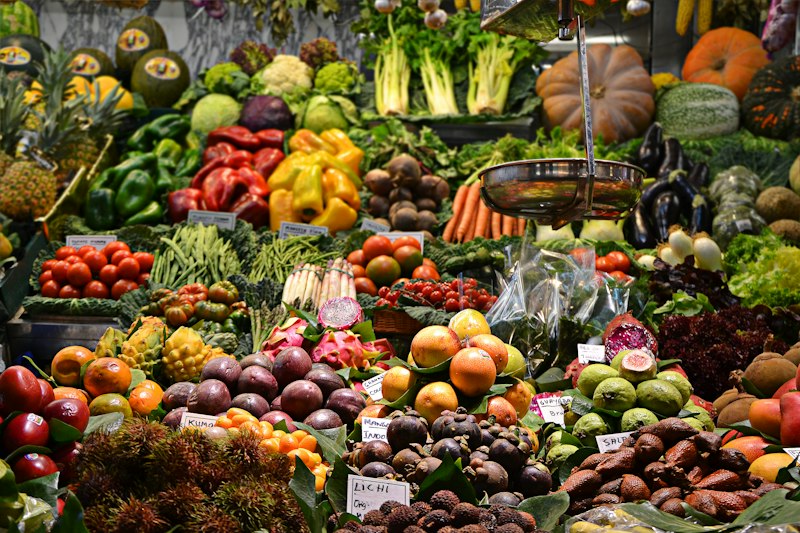
Scale and diversity: A farm operating 5–20 acres of diversified vegetables can grow 80–100 varieties simultaneously. A home garden of even 1,000 square feet grows perhaps 15–20. Farm stands give you access to far greater variety than any home garden.
Crops that are difficult at home: Some vegetables are genuinely difficult to grow in home gardens:
Expertise and infrastructure: Commercial farmers have:
The Labor and Attention Demand
A productive vegetable garden is a substantial time commitment. A serious 500 square foot garden requires:
For people with limited time, buying from a farm stand delivers the quality of home gardening without the labor.
Year-Round Access and Variety
A farm stand — especially one that sources from multiple farms — can provide fresh vegetables for more months than most home gardens. Commercial farmers use greenhouses, high tunnels, and season extension techniques that are difficult to replicate at the home scale.
The Best of Both Worlds: What to Grow vs. What to Buy
The most practical approach for most people with garden space: grow the crops where homegrown quality is dramatically better or where you want unusual varieties, and buy everything else from the farm stand.
Best Crops to Grow Yourself:
Tomatoes: The gap between homegrown and purchased (even farm stand) is significant because you can grow varieties too fragile to transport and harvest at true ripeness. If you only grow one thing, make it tomatoes.
Herbs: Fresh herbs at peak freshness are extraordinarily easy to grow and dramatically better from the garden. A container of basil, a pot of mint, a windowbox of chives and parsley beats any farm stand bundle.
Salad greens: Cut-and-come-again salad greens (lettuces, arugula, spinach, mesclun mixes) can be harvested at true baby stage from the garden. They're easy to grow in containers or small beds.
Cucumbers: They produce prolifically in warm summers, taste better freshly picked, and are easy in most climates.
Snap beans: Fast-growing, high-yielding, and better fresh-picked than anything purchased.
Zucchini and summer squash: Almost too easy — plant one or two and you'll have more than you need.
Specialty varieties: Any variety you specifically love that isn't available commercially.
Best Crops to Buy at the Farm Stand:
Sweet corn: Space-hungry, pest-prone, and farm stands often do it better with proper block plantings.
Brassicas: Broccoli, cauliflower, and Brussels sprouts require timing expertise and pest management that's genuinely difficult at home.
Root vegetables in quantity: Carrots, beets, and potatoes for storage and winter use.
Fruit trees: Apples, peaches, and pears take years to establish and significant ongoing management. Buy these from orchards and farms.
Winter squash: Buy in quantity in fall — farm stands have better variety, better storage curing facilities, and better prices.
Eggs and dairy: Unless you're willing to keep chickens or goats, buy these from farms.
Starting Small
For anyone new to gardening, the practical advice: start with a container or two of tomatoes and a small herb garden. Learn what that demands before expanding. Add crops each year as you gain confidence.
Meanwhile, buy everything else from your local farm stand. You're not competing with farmers — you're complementing them, growing what makes sense for you to grow and supporting their expertise for everything else.
The combination of home garden and farm stand represents, for most households, the richest, freshest, and most connected relationship with food available short of farming professionally.