Fresh Herbs at Farm Stands: How to Buy, Store, and Use Them
Kandi•5 min read•March 6, 2026
Fresh Herbs at Farm Stands: How to Buy, Store, and Use Them
Few ingredients transform a dish as dramatically as fresh herbs — and few things are as overpriced and under-portioned as the tiny plastic packages at supermarkets. Farm stands offer an entirely different experience: generous bundles of freshly cut herbs at a fraction of the cost, at peak freshness.
Why Farm Stand Herbs Are Better
Farm-cut herbs are typically:
Harvested the same day — essential oils (flavor and aroma) are at their peak
Sold in large bunches — a farm bunch of basil may be 5–10x the volume of a grocery store package
Significantly cheaper — a $2 farm bunch vs. a $4 grocery store sprig
Grown locally — not shipped from distant growing regions
What's Available by Season
Spring
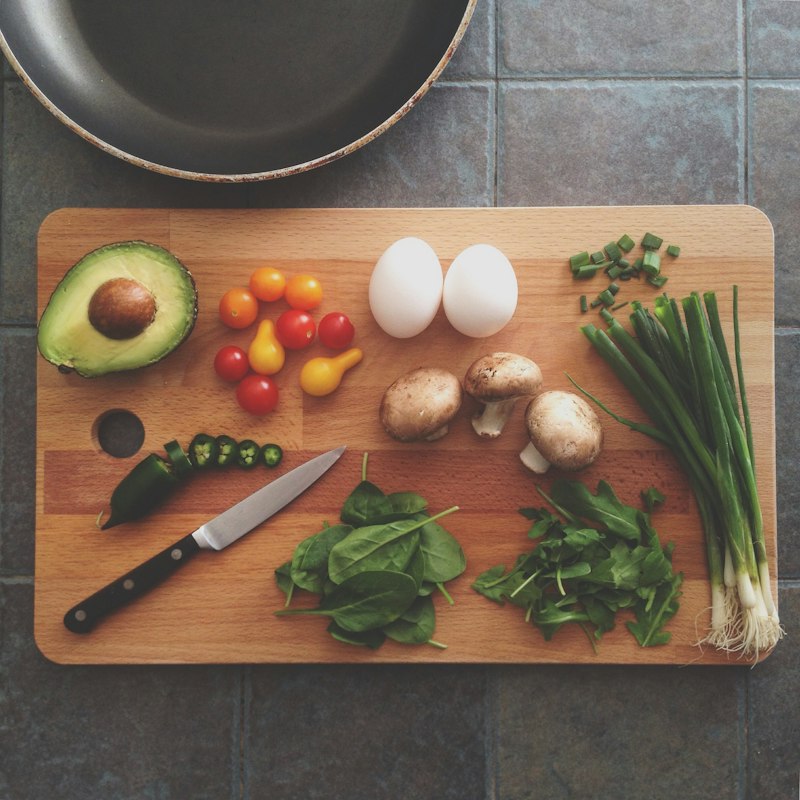
Chives — one of the first herbs of the year; mild onion flavor, excellent on eggs and soups
Parsley — flat-leaf and curly both appear early; flat-leaf has more flavor
Cilantro — loves cool weather; buy generously before summer heat bolts it
Summer
Basil — the undisputed star of summer; buy big bundles and make pesto
Dill — perfect for pickles, potato salad, cucumber salads, and fish
Mint — perennial and abundant; excellent in drinks, sauces, and salads
Oregano — fresh oregano is far more intense than dried; use sparingly
Thyme — woody herb excellent for roasting and braising
Sage — wonderful with butter, pork, and pasta; peak in summer
Fall
Rosemary — intensifies in fall; excellent with roasted root vegetables
Tarragon — underused French herb with anise flavor; pairs beautifully with chicken
Winter savory — robust, peppery herb; excellent with beans and sausage
How to Store Fresh Herbs
Different herbs require different storage — using the right method doubles or triples their lifespan.
Treat like flowers (stem in water):
Basil — room temperature, never refrigerate (it turns black)
Parsley, cilantro, dill — refrigerate with stems in a glass of water, bag over top
Wrap in damp paper towel:
Thyme, rosemary, sage, oregano, mint — wrap in a damp paper towel, place in a bag in the fridge
How to Use Large Quantities
When you buy big farm bunches, you'll often have more than one meal's worth. Here's how to use it all:
Basil: make pesto and freeze in ice cube trays — add to pasta, soups, and sauces all winter
Parsley + other soft herbs: make chimichurri, gremolata, or herb butter (mix softened butter with chopped herbs and freeze in a log)
Dill: make a dill cream sauce base (dill + crème fraîche or sour cream) — freezes well
Mint: make mint simple syrup for cocktails and lemonade; dry remaining mint for herbal tea
Rosemary, thyme, sage: dry by hanging bundles upside down in a warm, dry place for 1–2 weeks; store in jars
The Economics of Farm Herbs
A $2 farm bunch of basil contains enough for:
One large batch of pesto (freeze in portions)
Fresh garnish for multiple meals
An herb oil or compound butter
That same $2 at a supermarket buys a half-ounce package — barely enough for one recipe. The value of farm herbs is genuinely exceptional.
🌾
Kandi
Kandi is the creator of Farm Stand Finder and a passionate advocate for local food, farm stands, and community agriculture. She researches and writes every guide hands-on with farm stand operators across North America.
Find Farm Stands Near You
Discover fresh, local farm stands in your area using our free directory.
Discover thousands of farm stands, roadside produce, and local food sources across North America — all in one place.
Fresh Herbs at Farm Stands: How to Buy, Store, and Use Them
A bunch of fresh basil, dill, or cilantro from a farm stand is one of the simplest ways to elevate your cooking. Learn which herbs to look for in each season and how to make the most of them.