The Hidden Connection Between Local Food and Less Waste
Every year, roughly one-third of all food produced globally never makes it to a dinner plate. That's a staggering amount of wasted resources, wasted money, and wasted effort — from the farmer's field all the way to your kitchen trash can. But here's the good news: one of the most effective things you can do to fight food waste starts with a simple trip to your local farm stand.
Buying locally grown food isn't just about freshness or supporting your community (though both matter enormously). It's also one of the most practical, meaningful ways to reduce food waste at every stage of the supply chain. Let's break down exactly how that works.
Why Conventional Food Systems Waste So Much
Before we talk solutions, it helps to understand the problem. In a typical industrial food supply chain, produce travels hundreds or even thousands of miles before landing in a grocery store. During that journey, food is subject to:
By the time perfectly edible food is discarded at the distribution level, most consumers never see it. The waste is invisible — but it's real, and it's enormous.
How Farm Stands Shorten the Supply Chain
When you buy directly from a local farm stand, the food has usually been harvested within the past 24 to 48 hours. There's no warehouse, no cross-country refrigerated truck, and no lengthy sorting facility. That dramatically reduces the opportunities for waste to occur.
Fresher Food Lasts Longer at Home
This is one of the most underappreciated benefits of buying local. Produce purchased at a farmers market or roadside farm stand is simply fresher — and fresher food stays good longer in your refrigerator. When your tomatoes, greens, and stone fruit are picked at peak ripeness and sold the same day, you're not racing against a clock that started ticking three weeks ago in California or Chile.
Longer shelf life at home means less food going bad in your crisper drawer. And that directly translates to less waste and more money in your pocket.
Imperfect Produce Gets a Second Chance
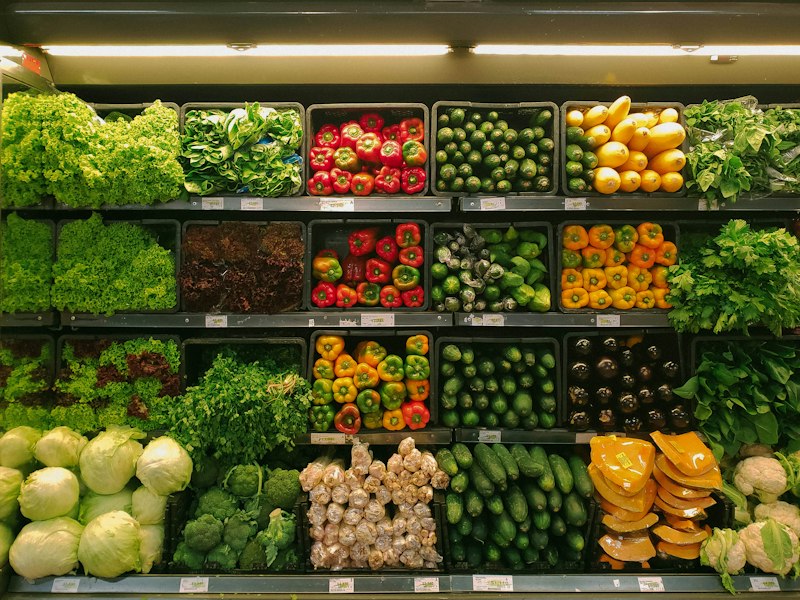
Local farm stands embrace "ugly" produce that big-box retailers would never accept. That knobby cucumber, the twin-tailed carrot, the heirloom tomato with a funny scar — these are delicious, nutritious, and would otherwise be plowed back into the field or composted at the farm level.
When you buy these imperfect gems from a local grower, you're actively rescuing food that the industrial system would have written off. Many farm stand vendors are happy to discuss which items are at their peak and need to be used first — a kind of insider knowledge you simply don't get from a grocery store shelf label.
Buying What You Need, When You Need It
Another quiet advantage of shopping at farm stands is the way it naturally encourages more intentional buying. Rather than grabbing a giant bag of pre-mixed salad greens "just in case," you're selecting individual items, talking with the grower, and making choices based on what's actually available and in season.
Seasonal Eating Reduces Overproduction
Seasonal eating is inherently less wasteful. When you buy what's growing right now in your region, you're participating in a food system that doesn't require artificial growing conditions, long-distance transport, or massive cold storage facilities — all of which contribute to waste and environmental cost.
As a home cook, embracing seasonal ingredients also pushes you toward more creative cooking. An abundance of summer zucchini becomes a stir-fry, a bread, a soup. A glut of fall apples becomes sauce, cider, and pie. Cooking with the season means using what you have — a practice that has kept food waste low for generations.
Build a Relationship With Your Grower
One of the most underrated tools for reducing waste is simply knowing your farmer. When you become a regular at a local farm stand, you can ask questions like:
These conversations lead to smarter shopping, more purposeful cooking, and less food that ends up forgotten in the back of your fridge.
Small Choices, Big Impact
Reducing food waste doesn't require a complete lifestyle overhaul. It starts with small, consistent choices — like choosing a farm stand over a supermarket, picking up that bumpy heirloom pepper, or buying just enough fresh herbs for the week rather than a giant package that wilts before you use half.
Every purchase at a local stand sends a signal: we value fresh, local, seasonal food. And that signal helps build a food system that wastes less from the very beginning.
Ready to make the switch? Use Farm Stand Finder to locate farm stands, farmers markets, and local growers near you. Fresh, low-waste, community-grown food is closer than you think — and your next meal is a great place to start.