What's in Season at Farm Stands in April 2026
April is the month when farm stands wake up. After the slow, root-vegetable-and-storage-crop rhythm of winter, April brings the first flush of genuinely spring produce — tender, delicate, and entirely unlike anything that's been available for months. What's available depends heavily on where you live, but here's a complete guide to what's ripening across the country.
The April Divide: North vs. South
April produce availability in the United States is heavily shaped by latitude:
Southern States (Zones 7-9): Georgia, the Carolinas, Virginia, Texas, and the West Coast are already well into spring. Strawberries, asparagus, and early tomatoes may all be available by April.
Northern States (Zones 4-6): Ohio, Michigan, New England, the Upper Midwest — April is early. Farm stands may just be reopening after winter, with limited but exciting early crops: asparagus, rhubarb, radishes, spring greens.
Pacific Northwest: Washington and Oregon enjoy one of the most favorable April climates — overwintered greens, early asparagus, and greenhouse production mean farm stands here often have impressive variety.
What to Look For in April
Asparagus
Where it's available: Most of the country by mid-April; south and Pacific Coast by early April.
Asparagus is the first true harbinger of spring. Grown from permanent crowns, it sends up shoots for a brief 4–8 week window each year, making it one of the most genuinely seasonal crops available. Farm stand asparagus harvested that morning is an entirely different product from the asparagus that's been sitting in grocery store refrigerated cases.
What to look for: Tightly closed tips, firm stalks, no sliminess. Thinner stalks are more tender; thicker stalks have more intense flavor. Either is excellent.
How to use it: Roast with olive oil and salt at 425°F for 12 minutes. Finish with lemon juice. Or blanch briefly and serve with a good vinaigrette.
Rhubarb
Where it's available: Northern states by mid-April; already in season in Zone 5+ by early April.
Rhubarb is one of the earliest crops from established perennial beds. Only the stalks are edible (the leaves are toxic). The tart, almost cranberry-like flavor of fresh rhubarb is exceptional in pies, crisps, compotes, and jams — often paired with early strawberries if you're in a warmer zone.
Spring Greens and Salad Mix
Where it's available: Broadly available across most of the country in April; Pacific Northwest and South already in full production.
April salad greens — butter lettuce, arugula, spinach, mesclun mix, mâche — are tender and mild. The cool spring temperatures slow growth and concentrate flavor. Farm stand salad greens cut that morning are in a different category entirely from bagged supermarket mixes.
Overwintered spinach — spinach that survived winter under cover and began growing again in early spring — is some of the most intensely flavored spinach of the year. Ask your local vendor if they have any.
Radishes
Where it's available: Widely available; one of the fastest spring crops.
Radishes are often the first new crop to appear at farm stands in spring — they grow from seed to harvest in 25–30 days. Look for French Breakfast radishes (cylindrical, milder), Easter Egg radishes (colorful mix), and classic Cherry Bells.
Eat raw with good butter and flaky salt, slice into salads, or roast briefly to mellow their peppery bite.
Spring Onions and Scallions
Where it's available: Broadly available April onward.
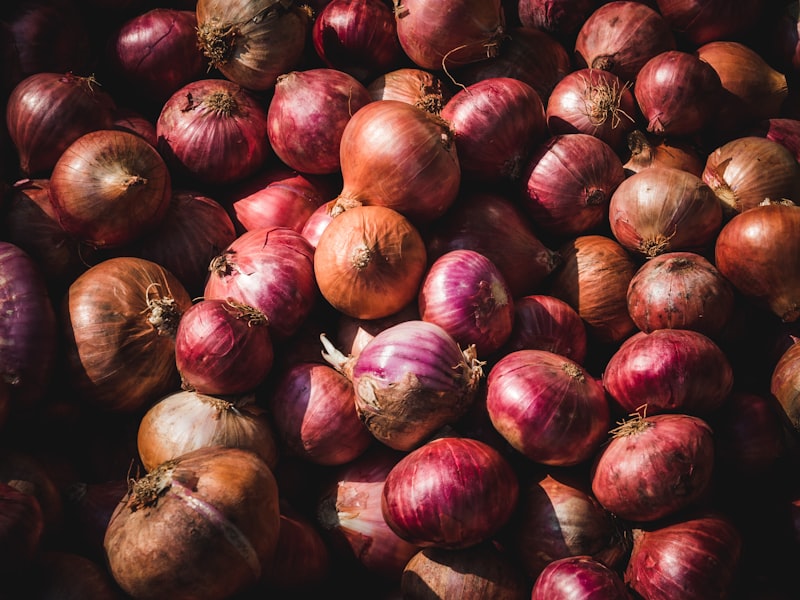
Young onions pulled before the bulb fully forms — sweet, mild, and versatile. Excellent raw in salads, briefly sautéed, or grilled whole.
Pea Shoots and Microgreens
Where it's available: Greenhouse and indoor producers across the country; particularly common from year-round farm stand operators.
Pea shoots — the tender tops and tendrils of pea plants — are a spring delicacy with a sweet, distinctly pea-like flavor. Many farmers who operate year-round through greenhouses sell microgreens and pea shoots through the winter and into spring. These are not widely available in grocery stores and are worth seeking out.
Chives
Where it's available: Most of the country from early April.
Chives are one of the first herbs to emerge in spring — perennial and prolific. The mild onion flavor is perfect on eggs, in dips, and as a garnish on spring soups. Farm bunches of chives are typically much larger and fresher than the small grocery store packages.
Strawberries (Southern States and Pacific Coast)
Where it's available: Southeast (Georgia, Carolinas) by early April; California year-round; other southern states through April.
If you're in a warmer climate, April may already bring the first local strawberries. Georgia strawberry season peaks in April and early May. Carolina strawberries are close behind. California's Watsonville and Salinas valley strawberry regions produce through the spring and beyond.
Farm-fresh strawberries at peak ripeness are sweeter and more aromatic than any strawberry that's been shipped across the country. If you see them, buy more than you think you need.
Herbs: Cilantro and Parsley
Where it's available: Both are cool-weather crops; widely available in April.
Cilantro thrives in cool weather and tends to bolt in summer heat — April and May are prime time. Flat-leaf parsley overwinters well and is often one of the first herbs farmers cut in spring. Both are usually available in generous farm bunches.
What's Just Around the Corner in May
Keep an eye out as April transitions to May:
Tips for April Farm Stand Shopping
Use Farm Stand Finder to locate farm stands reopening near you this spring, and check in weekly — the pace of change in April is rapid and exciting.